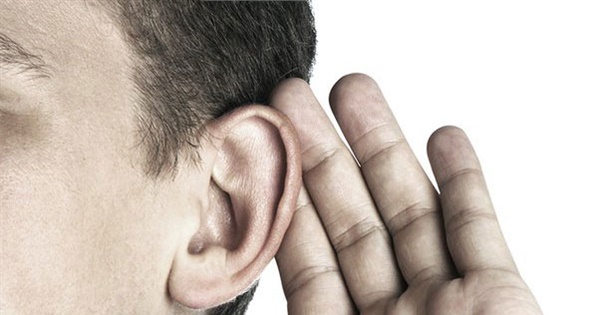
In today’s interconnected world, our words are no longer spoken into the air and forgotten. Every message, search, and voice command can be captured, analyzed, and stored. Artificial intelligence and big data have turned daily communication into valuable information, shaping what we see, think, and buy. While this technology has improved convenience, it has also raised concerns about privacy, manipulation, and mental health. For individuals seeking balance or healing from addiction, understanding this “silent listener” is an essential step toward regaining control over both technology and life.
At VHF Contest Recovery Center, we see how digital pressures can impact emotional well-being and recovery. Constant surveillance and overstimulation can make it harder for individuals to focus on healing, mindfulness, and connection. That is why we help clients find freedom not just from addiction but also from the invisible systems that feed stress and dependency in the digital age.
The Rise of Digital Surveillance in Everyday Life
AI-powered communication tools have become part of our daily routine. Smart devices record our conversations, messaging apps track our habits, and online platforms analyze our words to predict our needs. While these technologies make life easier, they also monitor us in ways most people do not realize.
Every “like,” voice search, or comment helps companies build profiles that predict behavior. This data is often sold to advertisers, creating a cycle of digital manipulation that affects our thoughts, habits, and emotions. For someone in recovery, this constant exposure to targeted content can be overwhelming, increasing anxiety and triggering cravings or compulsive behaviors.
The Emotional Impact of Digital Monitoring
Knowing that our conversations are constantly analyzed can affect mental health in subtle but significant ways. People may feel less free to express their thoughts, fearing judgment or exposure. Over time, this can lead to feelings of isolation or mistrust, both of which are major obstacles in addiction recovery.
The sense of being watched also feeds stress and hypervigilance. In recovery, individuals need peace and focus to rebuild emotional stability. Constant notifications, data tracking, and algorithmic targeting can keep the mind distracted and prevent the calm that healing requires.
Reclaiming Privacy as a Form of Self-Care
1. Practice Digital Mindfulness
Set clear boundaries with technology. Take moments throughout the day to pause, reflect, and disconnect. Silence notifications during therapy, prayer, or meditation to create space for stillness and focus.
2. Limit Data Sharing
Review privacy settings regularly and avoid oversharing on social media. Every piece of information shared online can become part of the data cycle that feeds targeted content and emotional fatigue.
3. Replace Digital Stimulation with Real Connection
Meaningful relationships and community support are powerful antidotes to the isolation that technology can create. Join support groups, attend faith-based activities, or connect with others in recovery face to face.
4. Seek Holistic Balance
At VHF Contest Recovery Center, our holistic approach helps clients find balance in every part of life—mind, body, and spirit. From therapy and counseling to faith-based guidance, we create a space where healing is personal and lasting.
Finding Freedom in the Digital Age
AI and big data are not inherently bad, but they require mindful use. When technology begins to control our emotions, choices, or recovery journey, it becomes a silent barrier to wellness. Breaking free from that control starts with awareness and intentional living.
At VHF Contest Recovery Center, we believe true healing involves both inner transformation and freedom from external pressures. Whether it is overcoming addiction, managing anxiety, or rebuilding healthy habits, our team is here to guide you toward clarity and connection.
Take the next step today. Reach out to VHF Contest Recovery Center and begin your journey toward a more peaceful, private, and empowered life—one where your voice belongs to you again.